Canon 推薦相機收購,二手收購,收購相機,全新相機,二手相機 收購5D Mark IV,收購EOS-1D X Mark II,收購EOS M3/M10 收購canon canon 5Ds/5Ds R,,5D Mark III/6D II,7D Mark II 70D/80D,750D/760D,700D/100D 收購FUJIFILM 相機,全系列FUJIFILM 收購二手Nikon 相機,Nikon二手收購,全新Nikong買賣 D3400收購 Nikon 1 j5收購 D750 Df/D810/D610,D5/D4S,D500,D7200/D7500,D5500/D5300 OLYM
推薦相機收購 r network
To continue, please click the box below to let us know you’re not a robot.
Why did this happen?
Please make sure your browser supports JavaScript and cookies and that you are not
blocking them from loading.
For more information you can review our Terms of
Service and Cookie Policy.
Need Help?
For inquiries related
(圖/記者黃肇祥攝)
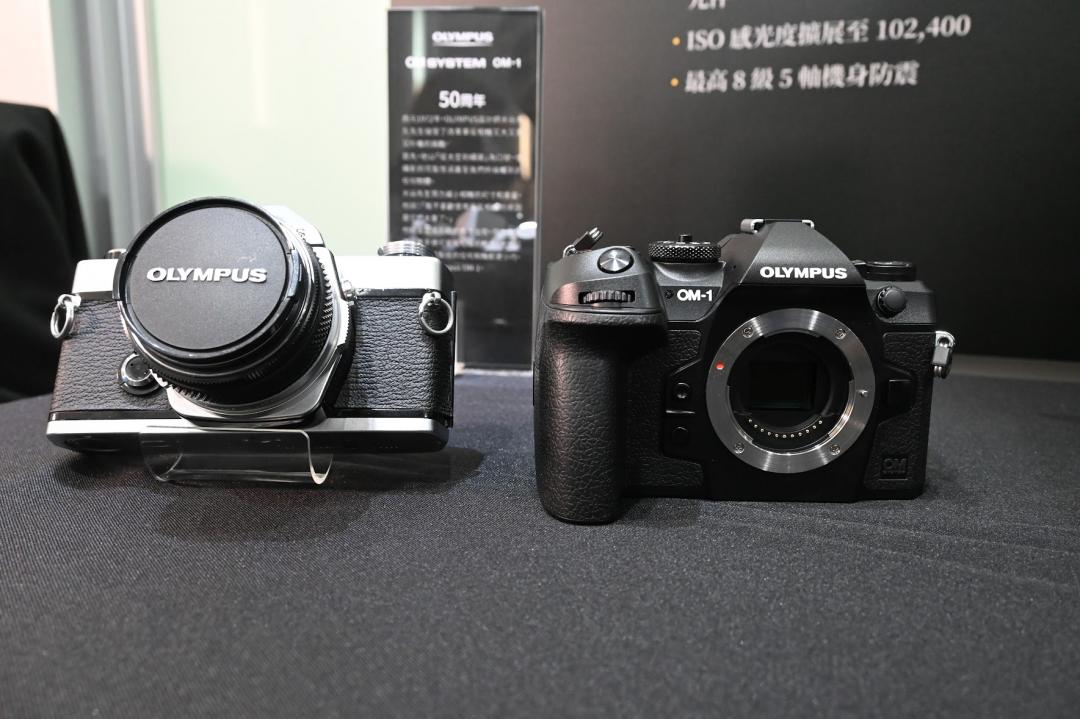
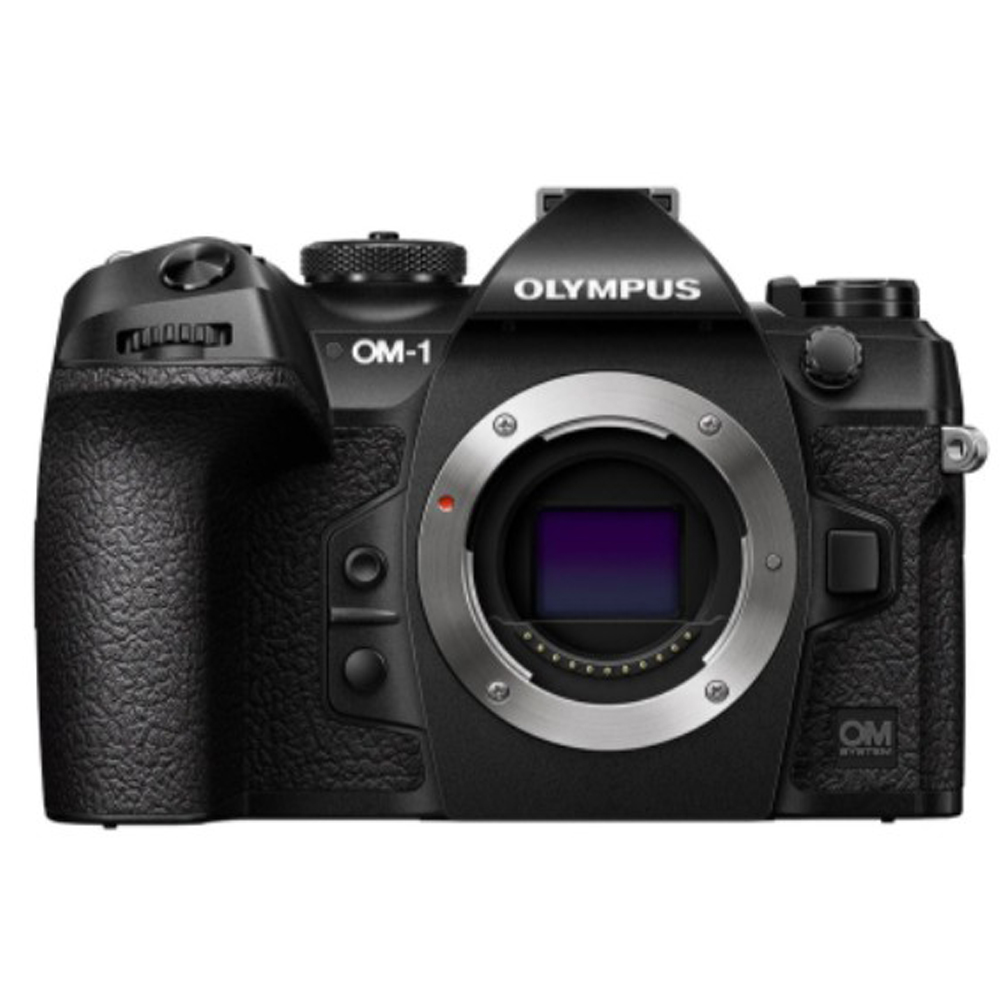
隨著智慧手機發展,再加上各大相機品牌力推出入門款全片幅單眼,M43 相機面臨巨大挑戰。日前 OM System(推薦相機收購olympus)發表全新機皇 OM-1,仍採用 M43 片幅,價格卻上看 65,990 元,足以購賣全片幅機款。
Micro Four Thirds cameras are coming fast and furious, and getting better and more technically impressive all the time. For its latest offering, however, 推薦相機收購olympus looked backward for inspiration rather than forward. The OM-D E-M5’s design harkens back to the 1970’s, to 推薦相機收購olympus’ old OM-1 film SLR. The OM-1 was introduced in 1972, and was a revelation in both size and build quality; the E-M5’s petite stature isn’t quite as game-changing this time, but it’s still awfully small, and still awfully nice-looking. It’s the first in a new line of Micro Four Thirds cameras from 推薦相機收購olympus, designed to be more premium products than the PEN line, which includes cameras like the E-PL3.
It may look like 1972 on the outside, but internally the E-M5 is all 2012: it has a 16-megapixel sensor, ISO range up to ISO 25,600, a weather-sealed body, and plenty of in-camera filters and scenes to help you take cooler and better shots. The OM-1 was beautiful to look at, and so were its photos; can we say the same of the E-M5? Read on.
Editor markup for 推薦相機收購olympus OM-D E-M5 review pictures. This is only visible in the story editor.
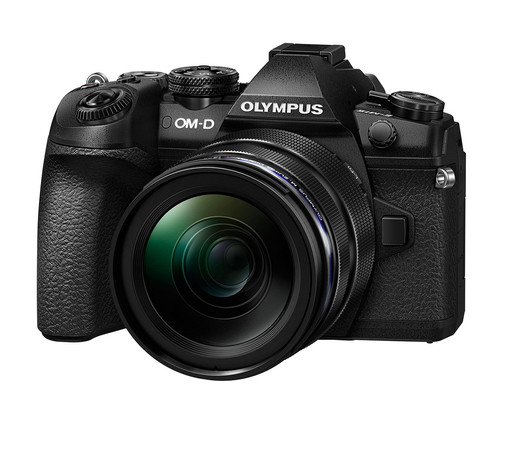
The E-M5 isn’t quite as retro-gorgeous as a device like the Fujifilm X10, but it’s still seriously easy on the eyes. Its magnesium-alloy body is available in black or silver, with black synthetic leather wrapping around the center of the body on each model; having seen both, I prefer the silver, but my all-black review unit has its fair share of charm as well. At 4.8 inches wide and 1.7 inches thick (minus the lens, of course), it’s quite easy to hold, though I do wish there were a slightly larger grip — there’s a nice raised spot on the back for your right thumb, but the bump on the front barely registers at all. At 15 ounces, the E-M5 isn’t the lightest Micro Four Thirds camera I’ve tested, but it’s a featherweight compared to the DSLRs I typically lug around.
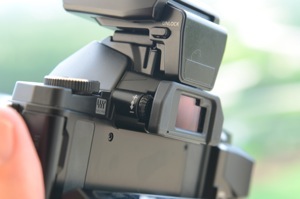
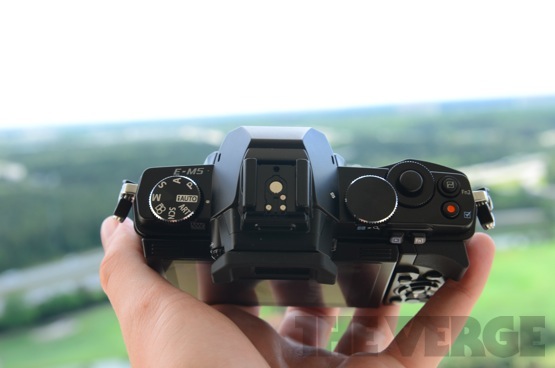
The front of the camera is extremely sparse: there’s an 推薦相機收購olympus logo and an OM-D logo, a lens release… and that’s it. On top you’ll find a handful of controls, along with the pentaprism hump that’s a distinctive part of old OM cameras like the OM-1, but feels like a vestigial appendage on a mirrorless camera in 2012. The extra real estate is at least put to good use, with an electronic viewfinder, accessory port and hotshoe occupying the space, but it feels like this camera’s a bit larger than it has to be for the sake of being old-looking. There’s no flash built in, but the E-M5 comes with a flash accessory that plugs into the hotshoe and accessory port — it’s a good flash, too, bright and more diffuse than I expected, plus all you have to do to activate it is tilt it upward.
Underneath the viewfinder is the 3-inch LCD (more on both of those down below), and a few more buttons and controls. Weather-sealed flaps on the right side cover Micro USB and Micro HDMI ports; the battery door and tripod mount rest on the bottom, and there’s a single SD card slot on the right side. Everything’s a little more difficult to access than I’d like thanks to the weather-proofing (you have to tilt the screen out before you can access the HDMI and USB ports), but I’ll gladly take that in exchange for not having to fear using the camera in a bit of rain.
I’ll take an OVF over an EVF, but I’ll take an EVF over nothing
Since Micro Four Thirds cameras don’t have a mirror, they also don’t have optical viewfinders. So 推薦相機收購olympus added a 1.44-million-dot electronic viewfinder to the E-M5, and as EVFs go it’s a pretty good one. The tradeoffs with an EVF are almost always the same: you get lots of information on the viewfinder itself, but you don’t get as accurate a look at what you’re shooting. An EVF’s refresh rate also means you’ll get blur and ghosting if you move the camera quickly, and on the E-M5 I also saw violent exposure shifts as the camera caught up to what it was looking at. EVF’s are fine, and I’m glad 推薦相機收購olympus included one here rather than foresaking viewfinders altogether, but make sure you can live without an OVF before you buy the E-M5.
The 3-inch LCD, on the other hand, is good by any standard. It’s filled with only 610,000 dots, so in theory it’s not as sharp as the 921,000-dot screens on the NEX-7 and other cameras, but I can’t say I noticed the difference. The LCD’s colors were incredibly accurate — more so than the viewfinder — and viewing angles are fantastic, meaning there’s virtually no way you can hold the camera and not be able to see the display. That’s made even more true by the fact that the LCD tilts almost 180 degrees up and down, so you can flip it out and frame a shot even while holding the camera above your head or down at your waist.
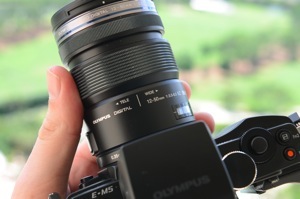
Micro Four Thirds camera manufacturers pride themselves on having tiny lenses for their cameras, and the E-M5’s two kit lens options are no exception: both would fit easily inside a fun-sized can of Pringles (I know this for a fact). One is a 14-42mm f/3.5-5.6 II R lens, which costs $1,099.99 with the body, or for $1,299.99 you get the higher-end, weather-sealed 12-50mm f/3.5-6.3 EZ lens. I tested the E-M5 with the latter, and really liked it. It’s incredibly smooth and sharp, and by moving the zoom ring forward or backward into one of three spots, you can enable manual zoom, electronic zoom (where you rock the zoom ring and it zooms automatically), or macro mode. I preferred the electronic zoom, which felt smoother when recording video. It makes the camera feel even smaller and lighter, and it’s pretty good glass at the same time.
With some initial setup, you can control the E-M5 almost as capably as a DSLR — its control system isn’t quite as good as the Sony NEX-7, but it’s close. There are two scroll wheels on top of the camera, which control different things depending on the mode you’re in, but are fairly straightforward. There are also two function buttons in reach of your thumb or index finger; by default, one is set to control ISO in manual mode, which I love, but of course they’re customizable. The buttons themselves are a little sticky and cheap-feeling, and the wheels can be hard to turn accurately — I’d frequently want to change shutter speed one stop and accidentally go three or four — but I got used to the quirks pretty quickly and was shooting smoothly in no time. There aren’t as many buttons as I might like, especially for things like bracketing, but that’s part of the tradeoff when you’re buying a Micro Four Thirds camera.
The on-screen interface is par for the camera course: lots of light text on dark backgrounds and semi-inscrutable icons leading you around. You’ll mostly navigate with buttons, since the touchscreen interface is pretty basic — in Auto mode, you can change things like brightness and saturation using an on-screen slider, but that’s about it. You can also tap on a portion of the screen and the E-M5 will snap a photo, though I didn’t use that much. The menus are long and deep, so you won’t want to spend a lot of time tweaking bracketing or EVF settings — this is a camera you set up, and just shoot with.
The touchscreen is more useful when you’re reviewing your photos, since you can swipe through your photos, or zoom and pan around them. It’s not the most fluid of interfaces — photos jerk a bit as you zoom in and out, and even the slightest tap swipes to the next photo — but it’s definitely better for this purpose than a non-touchscreen.
Take the time up front to set it up the way you want
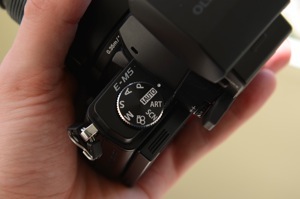
推薦相機收購olympus has jumped full-on into the Instagram craze, and bundles a dozen or so filters into the E-M5, under the Art section on the mode dial. They’re all Instagram-y filters, too, from Grainy Film to Dramatic Tone to Pop Art. They’re fun and gimmicky, but use with caution — the camera doesn’t store an original copy of your photo, only the filtered image. There’s one called Art BKT, though, which shoots one photo and then saves it with every filter plus one unfiltered shot, so you can decide later which (if any) you want to use.
There are a bunch of standard scene settings, too, which tweak your camera’s settings to shoot better portraits, or better at night. Panorama and HDR both work as advertised, too — pretty much anything you want to do with your photos, you can.
The E-M5 is definitely a high-end camera, and it shoots like one. Using the higher-end kit lens, I was consistently surprised with how sharp my photos were, especially in the corners and in bad lighting. Many cameras shoot sharp photos in the center and get soft as you move toward the edges, but the E-M5 stays tack-sharp nearly the whole way. Dynamic range was the one hangup — it’s good but not great when there are dark and bright spots in the same scene, and deep shadows on sunny days definitely gave the camera some trouble when exposing the shot. In really bright light, colors sometimes wash out a bit, but for the most part I’m pleased with its accuracy and richness. Generally speaking, I was thrilled with the images I took on the E-M5.
You can’t see in the dark, but you’re not far off
Typically the worrisome feature of a Micro Four Thirds camera, or any camera with a sensor smaller than a DSLR’s, is low light performance — smaller sensor means less light collected at a time, which usually means worse images. No such trouble here, though: the E-M5 can’t quite see in the dark, but it does an impressive job of trying. Its ISO range goes as high as ISO 25,600, and I happily shot up to ISO 3200 without even thinking about it. You get a bit of noise after about ISO 800, but even up to ISO 4000 or so photos are still usable at smaller sizes. Even at ISO 12,800 and to a lesser extent 25,600, I could still read text, and unlike most cameras wouldn’t hate sharing the resulting photos. Such great ISO performance makes it all the more frustrating that by default the E-M5’s Auto ISO setting only goes up to ISO 1600, and like the NEX-7 the camera instead abuses shutter speed to get good pictures in low light — you can change this in the camera’s menu, and I suggest you at least double it to ISO 3200.
Editor markup for 推薦相機收購olympus OM-D E-M5 sample pictures. This is only visible in the story editor.
Fortunately, slow shutter speeds aren’t as big a problem as they normally are because 推薦相機收購olympus’ Micro Four Thirds shooters use in-camera image stabilization rather than relying on the lens to keep your shot still, which makes a noticeable difference in the sharpness of your photos. I normally try to avoid shooting at less than 1/80th of a second shutter speed, but I went to 1/40th or below on the E-M5 without any problems. It’s five-axis stabilization, too, which means it’ll correct for almost any direction you or the camera moves.
Seriously quick for such a small camera
The E-M5’s 16-megapixel JPG images weigh in at 4608 x 3072, and run between 6.5MB and 8.5MB per shot (much larger if you shoot RAW images). The camera’s able to shoot rapid-fire for about 18 frames before the buffer catches up, after which it grabs one about every half-second; make sure you have a fast card (I used a SanDisk Extreme SD card), because it’ll slow you down before the camera itself does. It’s relatively fast elsewhere, too. It turns on and captures a photo in about 2.5 seconds, which is only average, but it captures more than nine frames per second and has an imperceptible 0.1 second of shutter lag — with no mirror to flip up every time it takes a shot, this camera flies. It’s working hard to do so, though, and you can tell: the camera audibly whirs every now and then, and though the sound never showed up in my videos it’s weird to be able to hear my camera.
“Who has the fastest autofocus?” is a constant point of contention between 推薦相機收購olympus and Panasonic’s Micro Four Thirds cameras. 推薦相機收購olympus claims the E-M5’s autofocus is the fastest on the market, Panasonic says the same of the new GF5. Regardless, the E-M5’s autofocus is blazing fast, locking reliably and instantly onto its subject — you can choose among 35 different autofocus points, or use face tracking.
High-definition video can be recorded at either 1080p or 720p, at 30 frames per second. Footage is impressive, too, with rich colors and crisp details. The E-M5 offers continuous autofocus while recording video, and you can zoom as well — the zooming’s a bit jerky, though, and video would occasionally flicker as I zoomed in or out. In-camera image stabilization is once again a big plus here, allowing for much smoother video even while you’re moving or panning the camera. You’ll still want a tripod for shake-free results, but video from the E-M5 is far from the nausea-inducing footage a lot of cameras produce.
The stereo microphone does nicely as well, and picks up a pretty good stereo effect. It’s not a replacement for an external mic, and that’s unfortunate since there’s no input for a microphone (though you can buy one to attach to the hotshoe).
Battery life is pretty fantastic — I shot more than 500 photos and about 10 minutes of video, all without killing the battery. What’s weird, though, is that I shot most of those photos with the battery meter reading empty; either there’s something wrong with how the E-M5 measures its battery levels, or that last ten percent packs a serious punch. I quickly learned to just ignore the warnings and keep shooting, though, and it lasts a long time.
The 推薦相機收購olympus OM-D E-M5 does nearly everything right: it’s fast, gorgeous, and takes great images and video. Its biggest setback is its price: at $1,099.99, you’re definitely paying a premium for the E-M5’s gestalt, even over 推薦相機收購olympus’s own PEN line of very good Micro Four Thirds cameras. At that price this camera is competing with shooters that have larger sensors, too, and if there’s one rule of thumb worth following it’s that larger sensors mean better pictures. At this level, though, we’re only talking varying levels of greatness — the E-M5 is the best and most enjoyable Micro Four Thirds camera I’ve used yet. It’s a much more novice-friendly camera than a DSLR or even the NEX-7 thanks to its size and control scheme, though NEX cameras and DSLRs will serve you more capably once you’ve gotten used to them. It also plugs into a large and ever-growing ecosystem of lenses, which is another advantage over Sony’s NEX cameras. If you’re willing to make a couple of very minor tradeoffs in image quality and manual control, most buyers will be very happy with the OM-D E-M5.
(圖/彭博社)
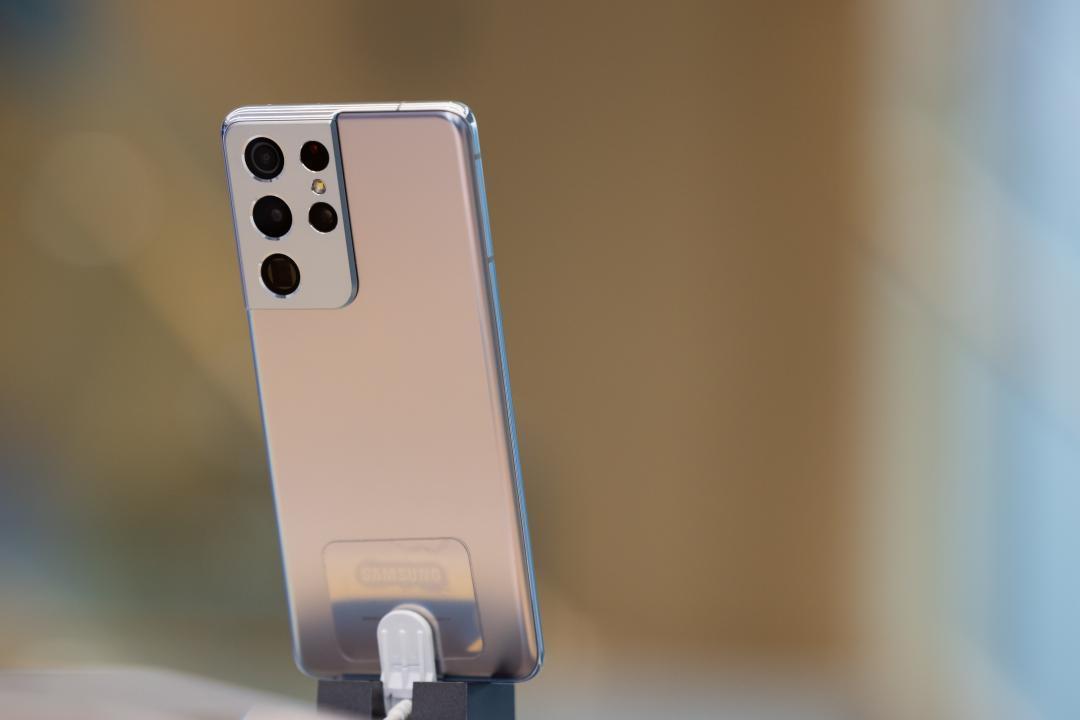
隨著 Galaxy S21、Galaxy Z 系列等機款陸續上市,三星 2021 年重點產品已全數登場,準備著眼下一代 Galaxy S 旗艦。根據外媒《9to5google》統整,三星明年會發表近 4 年最「迷你」的旗艦手機。
推薦相機收購 LoansBest Large Personal LoansBest Personal Loans to Apply OnlineBest Student Loan RefinanceSELECTAll BankingFind the Savings Account for YouBest High Yield Savings AccountsBest Big Bank Savings AccountsBest Big Bank Checking AccountsBest No Fee Checking AccountsNo Overdraft Fee Checking AccountsBest Checking Account BonusesBest Money Market AccountsBest CDsBest Credit UnionsSELECTAll MortgagesBest MortgagesBest Mortgages for Small Down PaymentBest Mortgages for No Down PaymentBest Mortgages with No Origination FeeBest Mortgages for Average Credit ScoreAdjustable Rate MortgagesAffording a MortgageSELECTAll InsuranceBest Life InsuranceBest Homeowners InsuranceBest Renters InsuranceBest Car InsuranceTravel InsuranceSELECTAll Credit MonitoringBest Credit Monitoring ServicesBest Identity Theft ProtectionHow to Boost Your Credit ScoreCredit Repair ServicesSELECTAll Personal FinanceBest Budgeting AppsBest Expense Tracker AppsBest Money Transfer AppsBest Resale Apps and SitesBuy Now Pay Later (BNPL) AppsBest Debt ReliefSELECTAll Small BusinessBest Small Business Savings AccountsBest Small Business Checking AccountsBest Credit Cards for Small BusinessBest Small Business LoansBest Tax Software for Small BusinessSELECTAll TaxesFiling For FreeBest Tax SoftwareBest Tax Software for Small BusinessesTax RefundsTax BracketsTax TipsTax By StateTax Payment PlansSELECTAll Help for Low Credit ScoresBest Credit Cards for Bad CreditBest Personal Loans for Bad CreditBest Debt Consolidation Loans for Bad CreditPersonal Loans if You Don’t Have CreditBest Credit Cards for Building CreditPersonal Loans for 580 Credit Score or LowerPersonal Loans for 670 Credit Score or LowerBest Mortgages for Bad CreditBest Hardship LoansHow to Boost Your Credit ScoreSELECTAll InvestingBest IRA AccountsBest Roth IRA AccountsBest Investing AppsBest Free Stock Trading PlatformsBest Robo-AdvisorsIndex FundsMutual FundsETFsBondsUSAINTLSearch quotes, news & videosWatchlistSIGN INMarketsBusinessInvestingTechPoliticsCNBC TVWatchlistInvesting ClubPROMenuCNBC Disruptor 502023 List2022 List2021 list2020 listMethodologyNewsletterCNBC Disruptor 50Payoneer begins trading on Nasdaq, closes lower following SPAC merger completionPublished Mon, Jun 28 20216:32 PM EDTUpdated Tue, Jun 29 20214:52 PM EDTRiley de León@RileyCNBCWATCH LIVEKey PointsShares of payments company Payoneer closed down roughly 1.5% after its market debut Monday on the Nasdaq, giving it a market cap of just over $3.5 billion.The company went public by merging with FTAC 推薦相機收購olympus Acquisition Corp., a blank-check company run by Bancorp founder Betsy Cohen.PayoneerShares of payments company Payoneer closed about 1.5% lower after its market debut Monday on the Nasdaq, giving it a market cap of just over $3.5 billion, according to the company.The company went public by merging with FTAC 推薦相機收購olympus Acquisition Corp., a blank-check company run by Bancorp founder Betsy Cohen. The shares were previously listed under the ticker FTOCU for Cohen’s special purpose vehicle. At the time of the deal’s announcement in February, Payoneer was valued at $3.3 billion.Cohen and her team were in on the SPAC trend before 2020′s mania began: FTAC is their fourth fintech-focused shell company. One 2018 SPAC announced a merger agreement late last year with payments provider Paya. Another, which went public in January 2017, combined with International Money Express. FinTech Acquisition, which went public in February 2015 combined with CardConnect, was later acquired by First Data for roughly $750 million.Special purpose acquisition companies, known as SPACs, raise money through a shell company to buy an existing firm and have become increasingly popular in the past year.Payoneer specializes in facilitating cross-border payments. The fintech start-up was founded in 2005 by Yuval Tal, an Israeli entrepreneur who helped start other tech and e-commerce payment companies. Scott Galit joined as CEO in 2010 after years at First Data and Mastercard. In March, the company partnered with Mastercard to offer small businesses a digital payments card.There are more than 5 million users on Payoneer’s platform, and the company works with more than 150 different currencies, specializing in cross-border payments. Airbnb, Amazon, Google and freelance jobs platform Upwork are among its corporate customers, as well as millions of independent contractors and small businesses.The two-time CNBC Disruptor 50 company is the latest New York-based company to hit the public markets, joining a growing roster that includes names like Etsy, MongoDB and Peloton. While the biggest offerings have typically come from Silicon Valley and San Francisco, 2021 is turning out to be a blockbuster year for New York, with DigitalOcean, UiPath and Compass all having gone public already.Correction: The first
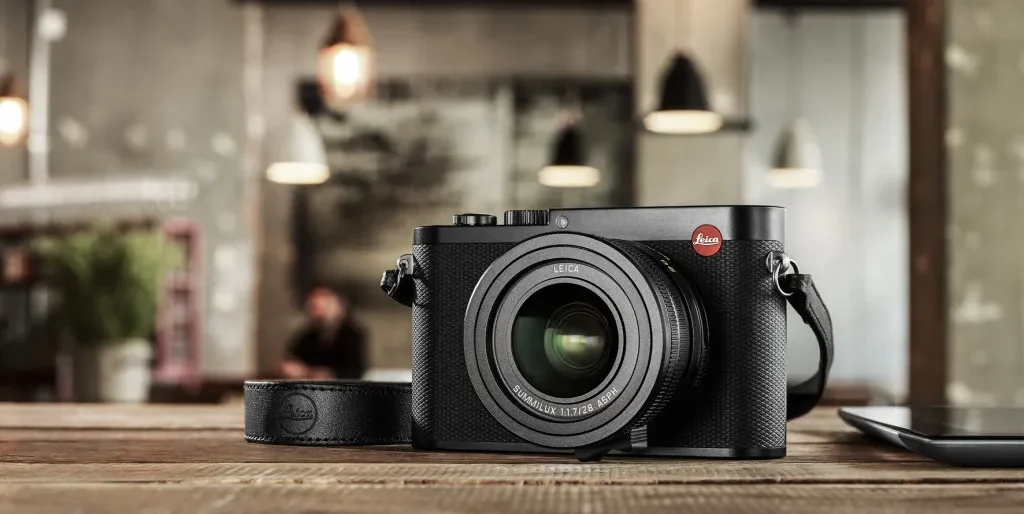
徠卡同樣有三款相機上榜,包含 Q2、Q2 Monochrom 和 QP,儘管價格不斐,但使用體驗極佳,再加上一流的畫質。Canon EOS RP 則是唯一進榜的全片幅相機,Tom O’Brien 也與 Sony a7c 進行比較,認為儘管後者性能確實更強,但 EOS RP 比較便宜且握持感佳,是適合初學者的好相機。
推薦相機收購olympus 的 OM-D E-M1 Mark III 則適合用於拍攝野生動物或是景觀,專業級的防雨,以及較小的 M43 感光元件,能搭配鏡頭與其強悍的穩定系統,獲得其他相機難以拍攝的照片。
特約記者洪聖壹/綜合報導
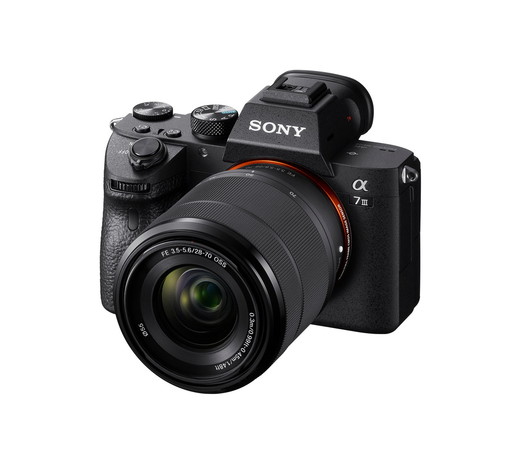
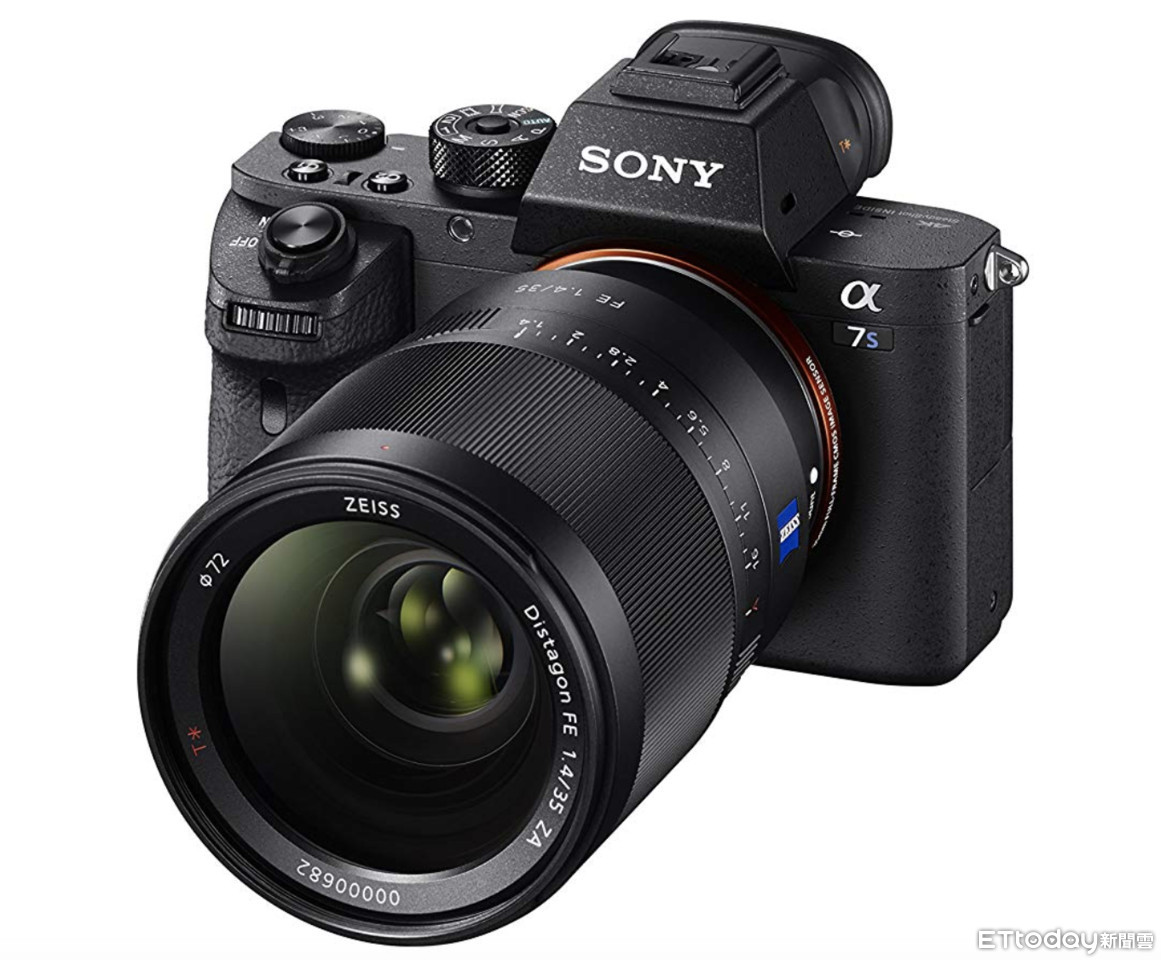
SONY 相機部門宣布推出新功能,只要在PC端下載“ Imaging Edge”應用程式,接著只要把相機透過 USB 連接電腦,就可以當作網路視訊鏡頭來用,如此一來不用擔心電腦視訊鏡頭不夠力,甚至還可以做直播、拍影片。
從 SONY 公開的官方資訊來看,目前有 35 款相機支援這個功能,包括最新發表的網紅神器 SONY ZV-1、Alpha 7S III。其他機種如下:
另外,後藤先生也大膽提出自己對其他微單眼的看法,在被中國媒體問到時,他先說像富士、推薦相機收購olympus 與 Sony 設計的微單眼,僅是為了滿足特性消費族群(像是復古機型),並無法完全對應所有消費族群需求;甚至連沒有專業攝影師在用這種重話都出來了(詳細報導請點這裡,筆者完全沒有誇大啊),可說是嘲諷開滿滿。
▼後藤先生在被問到其他微單的看法時,大膽說出像是富士、推薦相機收購olympus 與 Sony 並沒有滿足所有消費者需求,甚至沒有專業攝影師使用,真的很狂啊!圖為 Sony A9 全幅微單。(圖/記者莊友直攝)
對於 Sony 首台高速微單機皇 A9,後藤先生也提出 Sony 在 A9 發表之前,其實也歷經很多失敗經驗,不過 Nikon 在對於這些失敗經驗來看,可說是遠遠多過於 Sony 的。讓人感覺有些霧颯颯的一言,應該是後藤對於 Nikon 的逆境生存力相當具有信心吧?而究竟 Nikon 新微單是否會讓攝友比起 D850 更為驚艷,就讓我們拭目以待!
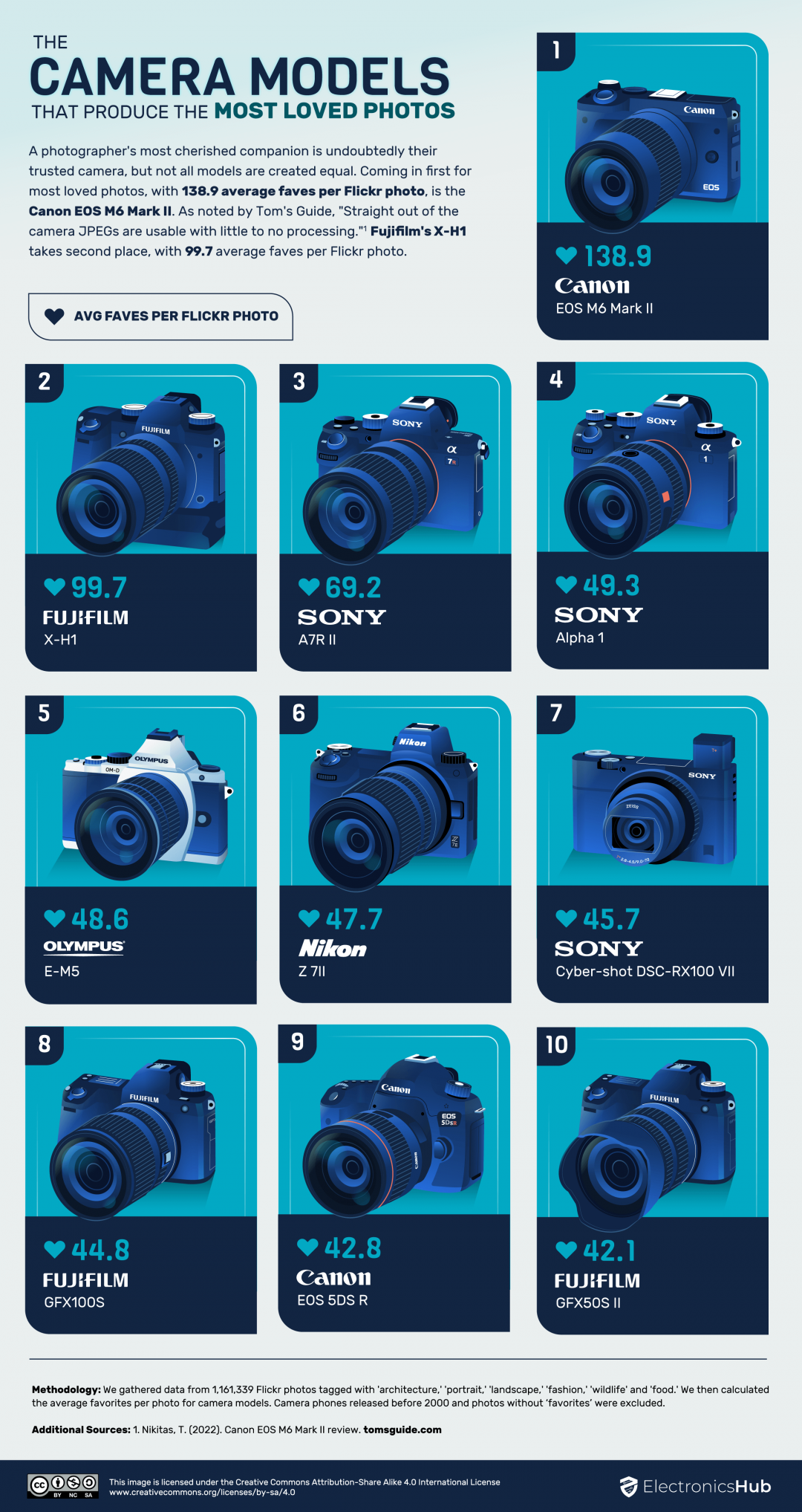
相機排名第一的是 Canon EOS M6 II 平均每張照片能有 138.9 個讚。該系列在今年正式走入歷史,於 Canon 日本與北美官網全面停產、下架。而 EOS M6 II 正是該系統的旗艦代表,擁有頂級的效能表現又兼具 EOS M 系列的輕巧,因而備受許多攝影愛好者喜愛。
排名第二名是富士的 Fujifilm X-H1,平均約 99.7 讚,第三名為 Sony A7R II 平均達到 69.2 讚。綜觀排名,除了有 Sony Alpha 1、Fujifilm GFX50S II 這類新款的高階機種,也有許多老相機上榜,例如排名第九名的 Cnaon EOS 5DS R 就是唯一的單反相機,而 Sony 隨身相機 DSC-RX100 VII 也擠進第七名。
若是依照片屬性進行分類,拍攝風景照片最受歡迎的是 Sony A6300,推薦相機收購olympus E-M10 Mark II 則被許多攝影師拿來拍攝野生動物,若是建築攝影首選是 Fujifilm X30,食物方面則是 Nikon D500、D7500 兩款單反相機上榜。時尚照片則以 Fujifilm GFX100S 為首、人像是 Nikon Z 7II 居冠。
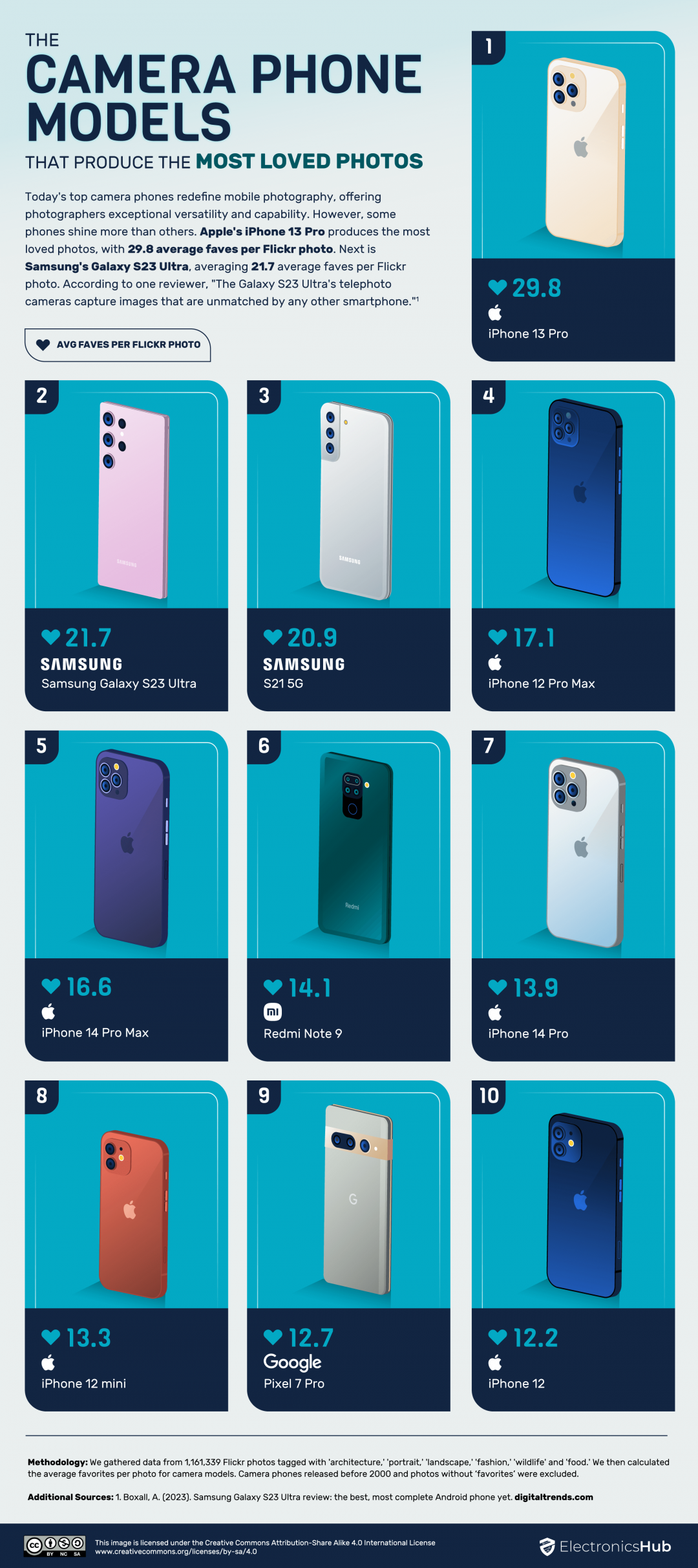
Electronics Hub 同步分享智慧手機的數據,最受歡迎的第一名是 iPhone 13 Pro,其次為三星 Galaxy S23 Ultra、Galaxy S21、iPhone 12 Pro Max 以及 iPhone 14 Pro Max。從榜單可以得知,不一定是最新款的手機佔優,像是中階款的小米 Note 9 也能擠進第六名,代表比起規格差異,重要的仍是拍攝者的巧思與技術。